Uganda
The RWAMWANJA Inclusion Project
Rwamwanja Refugee Settlement, located in south-western Uganda, is the largest displaced persons settlement in the country. First established in 1964, it was closed in 1995 and reopened in 2012 to accommodate refugees fleeing conflict in the Democratic Republic of Congo. Today, Rwamwanja is home to approximately 76,000 refugees, primarily from the DRC and Rwanda. The settlement is managed by UNHCR in coordination with the Ugandan Office of the Prime Minister.
Despite sustained efforts by humanitarian agencies and the Ugandan government, Rwamwanja remains severely under-resourced. Basic infrastructure is inadequate. Access to clean and safe water is limited, with many families relying on shared boreholes that require long waiting times or distant water sources that are often contaminated. Sanitation facilities are insufficient, increasing the risk of waterborne diseases and preventable illness.
Disabled children in Rwamwanja face extreme levels of exclusion and vulnerability. Many are confined to their homes due to physical barriers, inaccessible environments, and deeply rooted negative attitudes toward disability. Unlike their non-disabled peers, they are frequently excluded from school, play, and community life. Care responsibilities usually fall on mothers, grandmothers, or older siblings—many of whom lack the knowledge, resources, and support needed to provide appropriate care. This places significant emotional and economic strain on families.
In December 2025, Disability Africa launched the Rwamwanja Inclusion Project (RWIP) in partnership with Tomorrow Vijana, a refugee-led local organisation. This project marks the first phase of Disability Africa’s DA 2029 expansion plan, and our first project within a displaced persons settlement.
There is no formal disability registry in Rwamwanja, and reliable data remains limited. However, through previous partnerships with COHERE, Tomorrow Vijana identified over 300 children with impairments and has delivered informal, inclusive play-based interventions in the settlement for more than five years, largely targeting children with less complex impairments who are already attending schools.
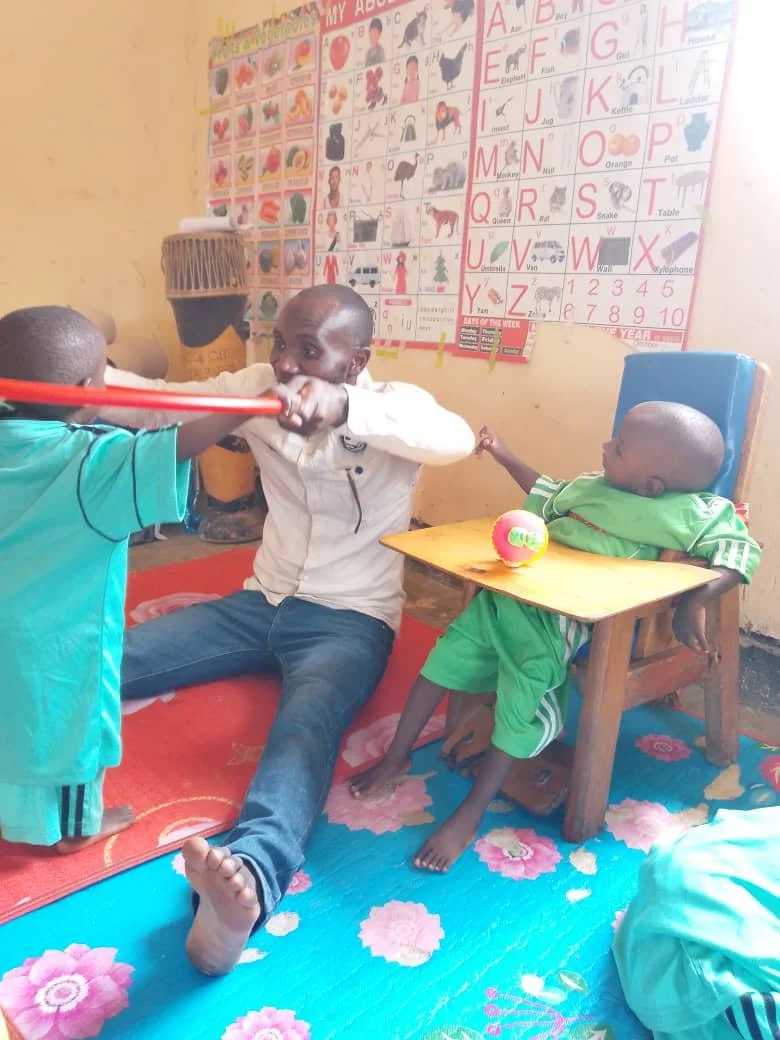
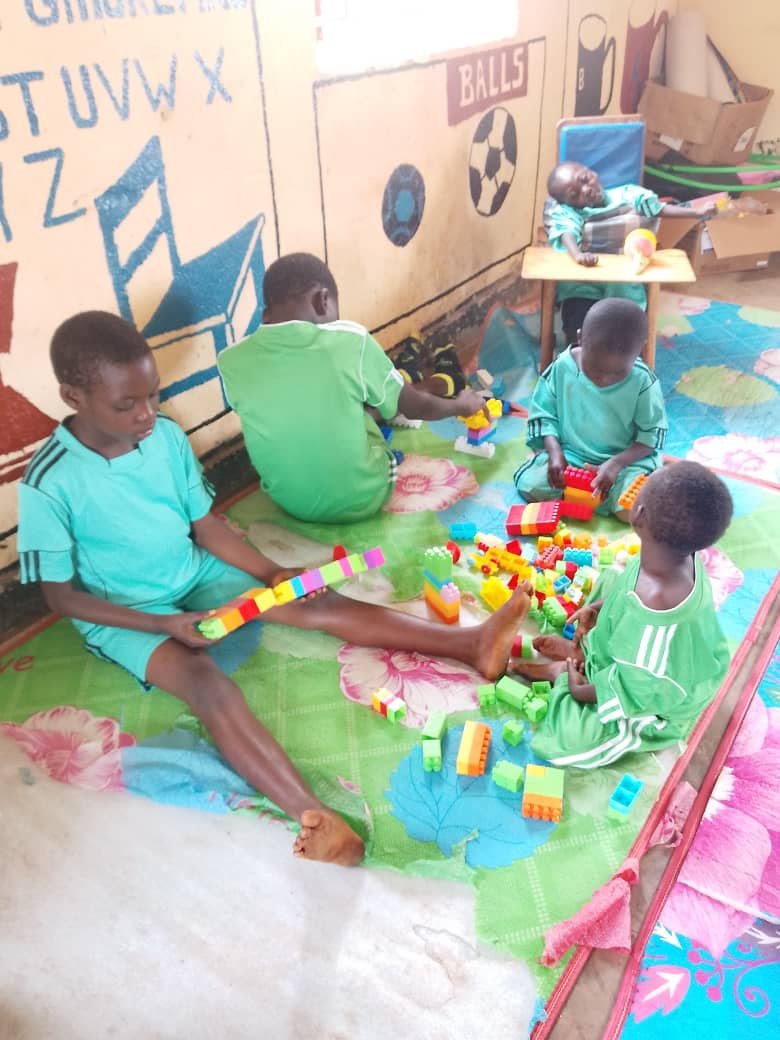
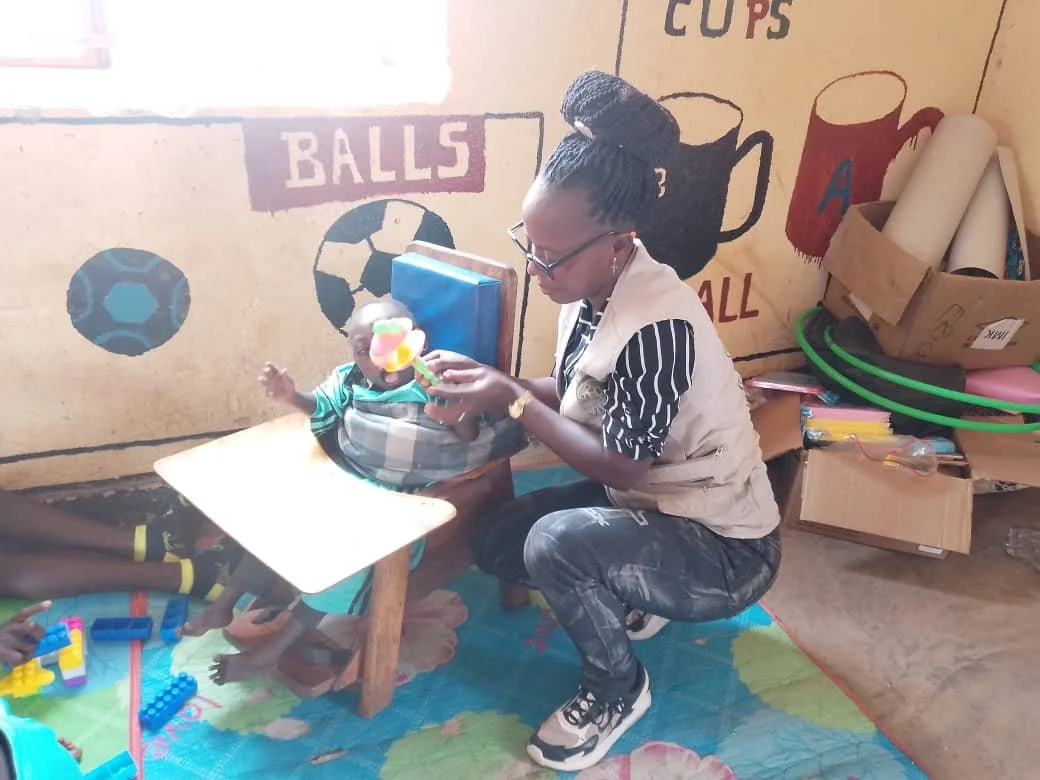
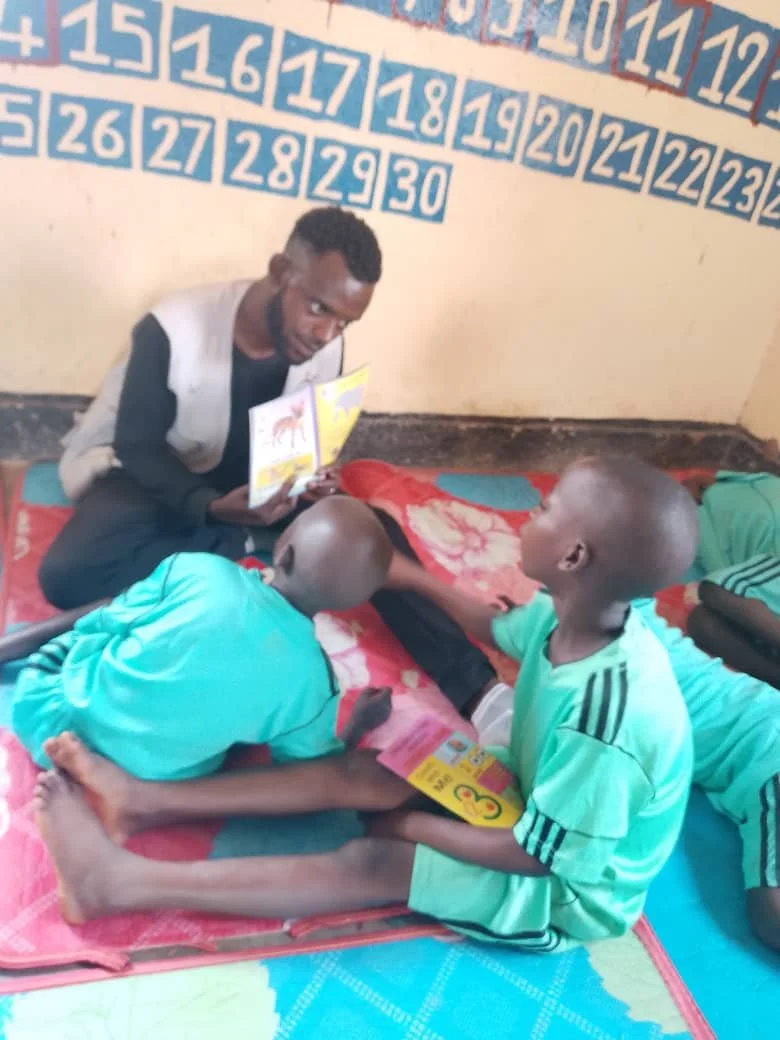
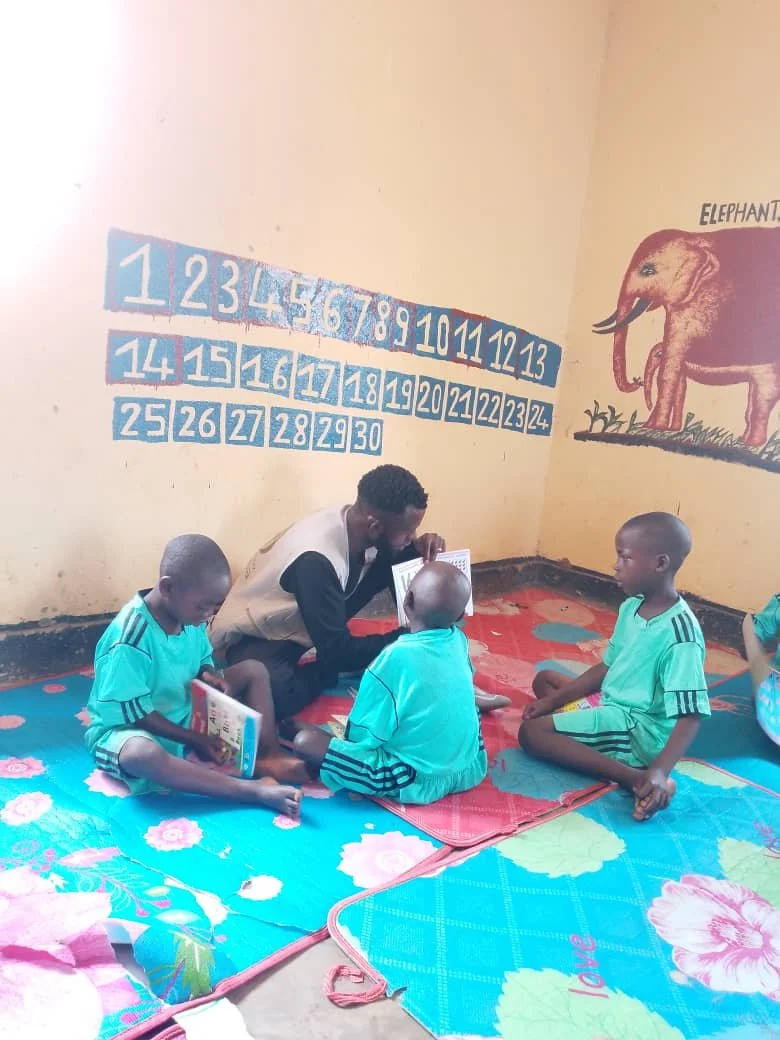
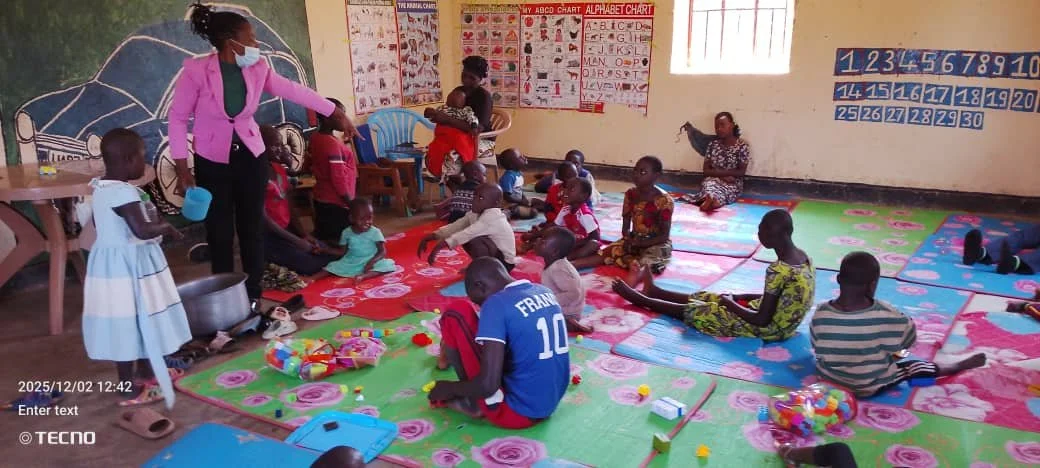
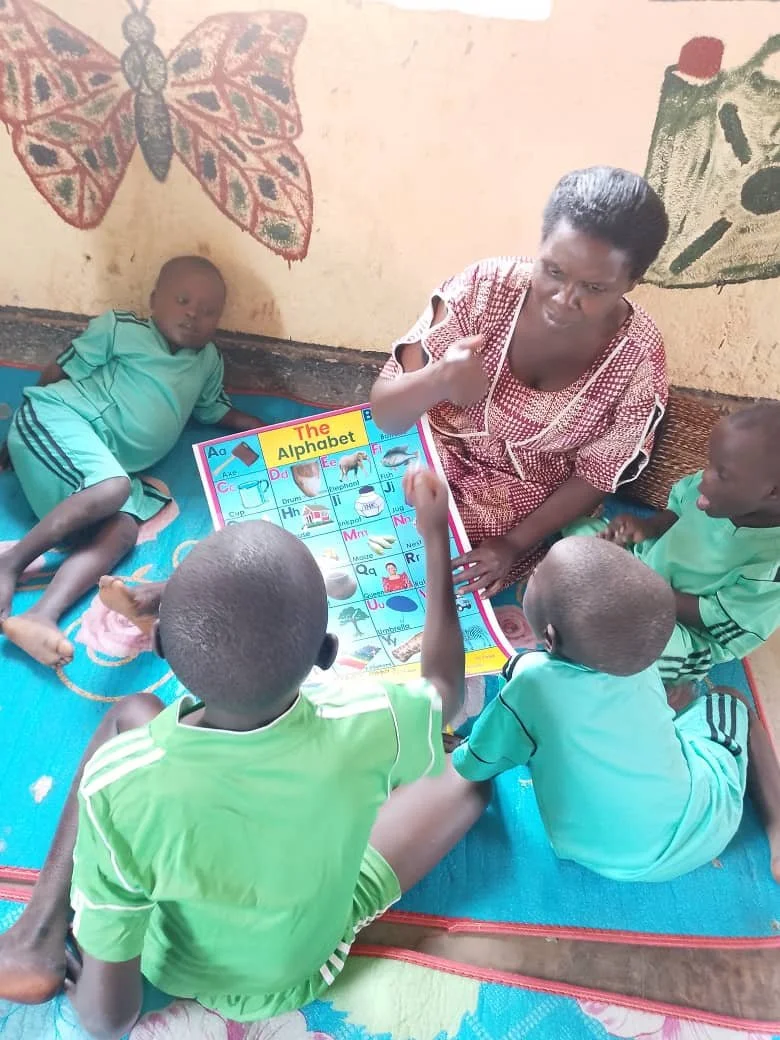
Building on this foundation, Disability Africa has established a playscheme at a central community hub within the settlement. The playscheme runs three days a week and provides a safe, inclusive space for children at extreme risk of isolation, who are excluded from school and do not attend another service . Each day, 25 disabled children attend to play, socialise, and spend time outside their homes.
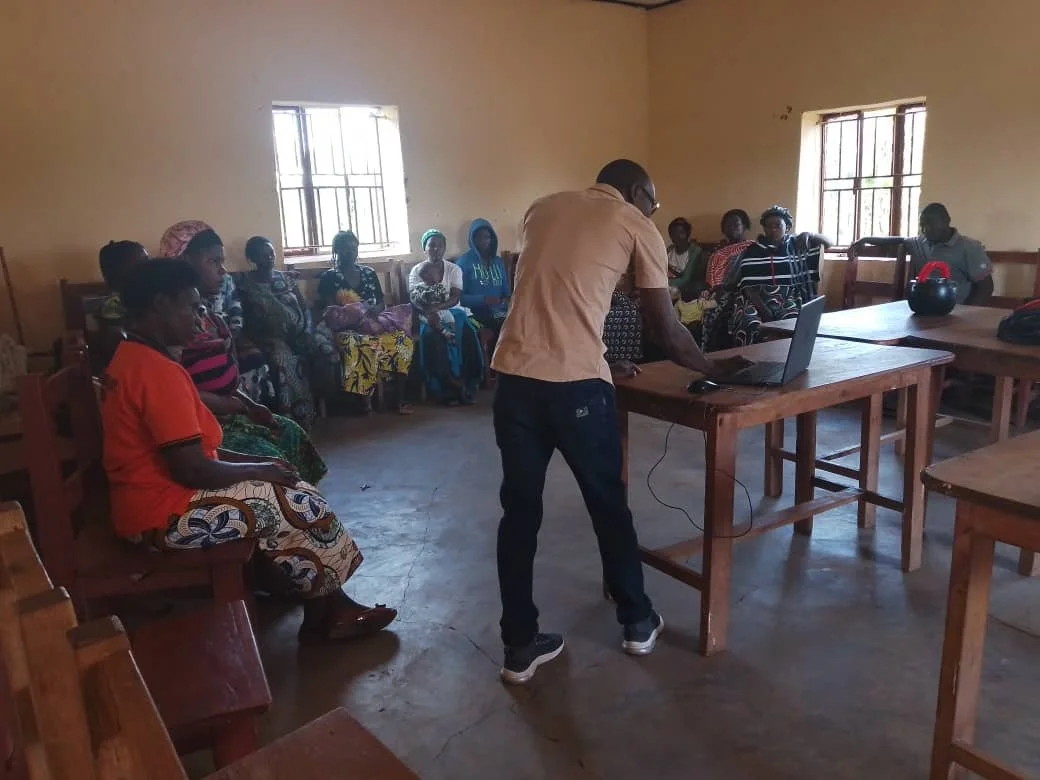
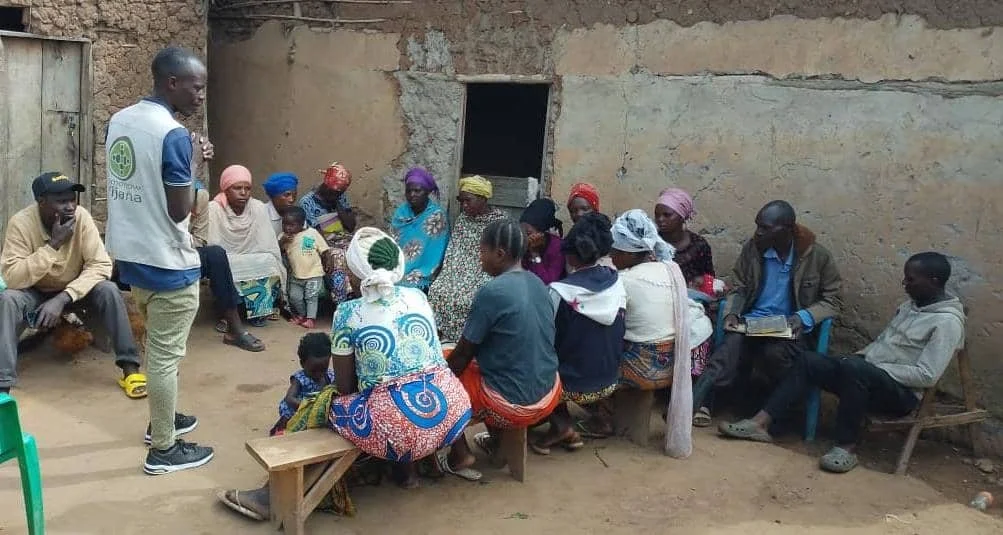
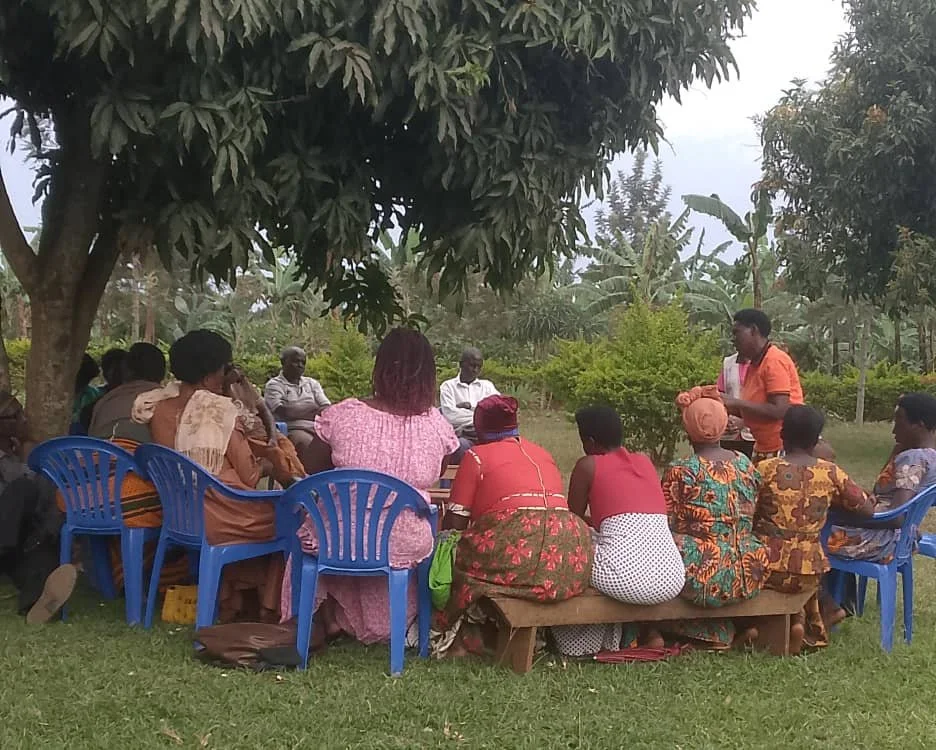
Alongside direct services, the Rwamwanja Inclusion Project delivers community advocacy, working with parents and local leaders to challenge stigma and promote inclusion. The project also supports community events to increase visibility and acceptance of disabled people within the settlement.
By July 2026, Disability Africa aims to expand the playscheme to five days a week, increasing access and support for disabled children and their families in Rwamwanja.